
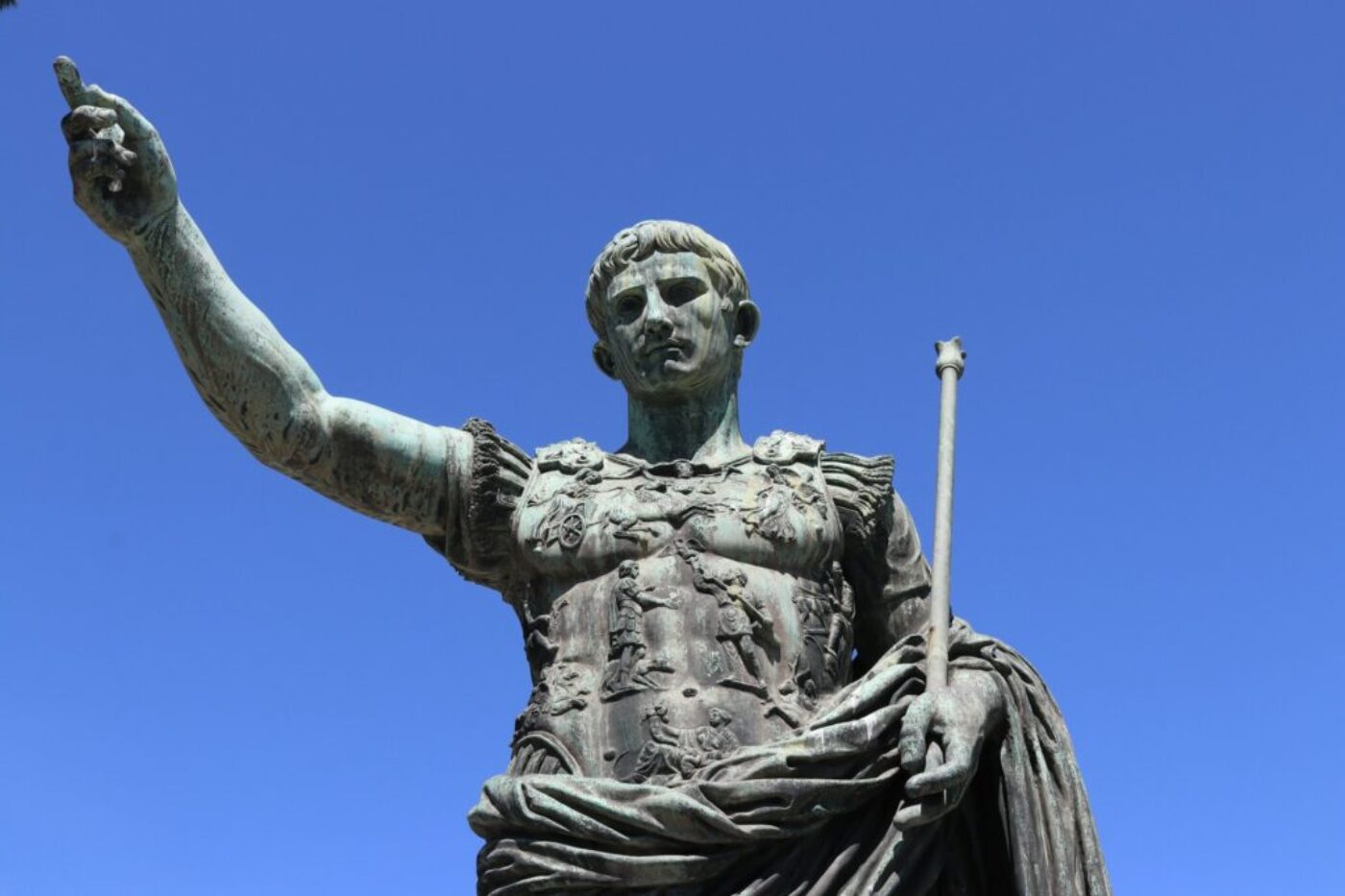
Empires
Empires Once Sailed for Spices. The New Ones Are Mining You.
Extraction of resources that were never theirs. Armies of invisible labor. Knowledge concentrated behind corporate walls. And a grand story about civilization and salvation to justify all of it. The AI empires of today operate strikingly like the empires of the past — and even the Pope has noticed.
A client put down her phone last week and asked, with genuine puzzlement, “Why is the Pope talking about artificial intelligence? Isn’t that a little… outside his department?”
“I don’t think so,” I said. “I think he recognises the business model.”
“The business model?”
“He runs one of the oldest institutions on earth. He has seen empires come and go — and he has seen what they say about themselves while they’re doing it.”
[Switches to serious face.] The AI empires of today operate in strikingly similar ways to the empires of the past. The parallels are not decorative. They run straight through the business model — the extraction, the labor, the knowledge, and above all, the story.
Billions of people whose data — words, images, clicks, conversations — became the raw material for training AI systems
€0 the going rate paid to most of the artists, writers, and musicians whose work the models learned from
1891 the year Pope Leo XIII published Rerum Novarum, the Church’s answer to the industrial revolution and its treatment of workers
2025 the year the new pope chose the name Leo XIV — citing, among his reasons, artificial intelligence as a new industrial revolution
The Extraction
Like their predecessors, the new empires claim resources that do not truly belong to them. Instead of land or minerals, they extract something even more valuable in the digital age: data from billions of people, along with the intellectual property of artists, writers, musicians, and creators whose work becomes the raw material for training AI systems.

Photos: Unsplash
The Labor
Their business model also depends on an enormous amount of labor. Countless workers contribute to building, labeling, testing, and refining these technologies, yet only a small fraction of the value they create flows back to them. At the same time, the very systems they help build are increasingly used to automate knowledge work, displacing employees while allowing AI companies to capture revenue that would otherwise have gone to human workers in the form of wages.
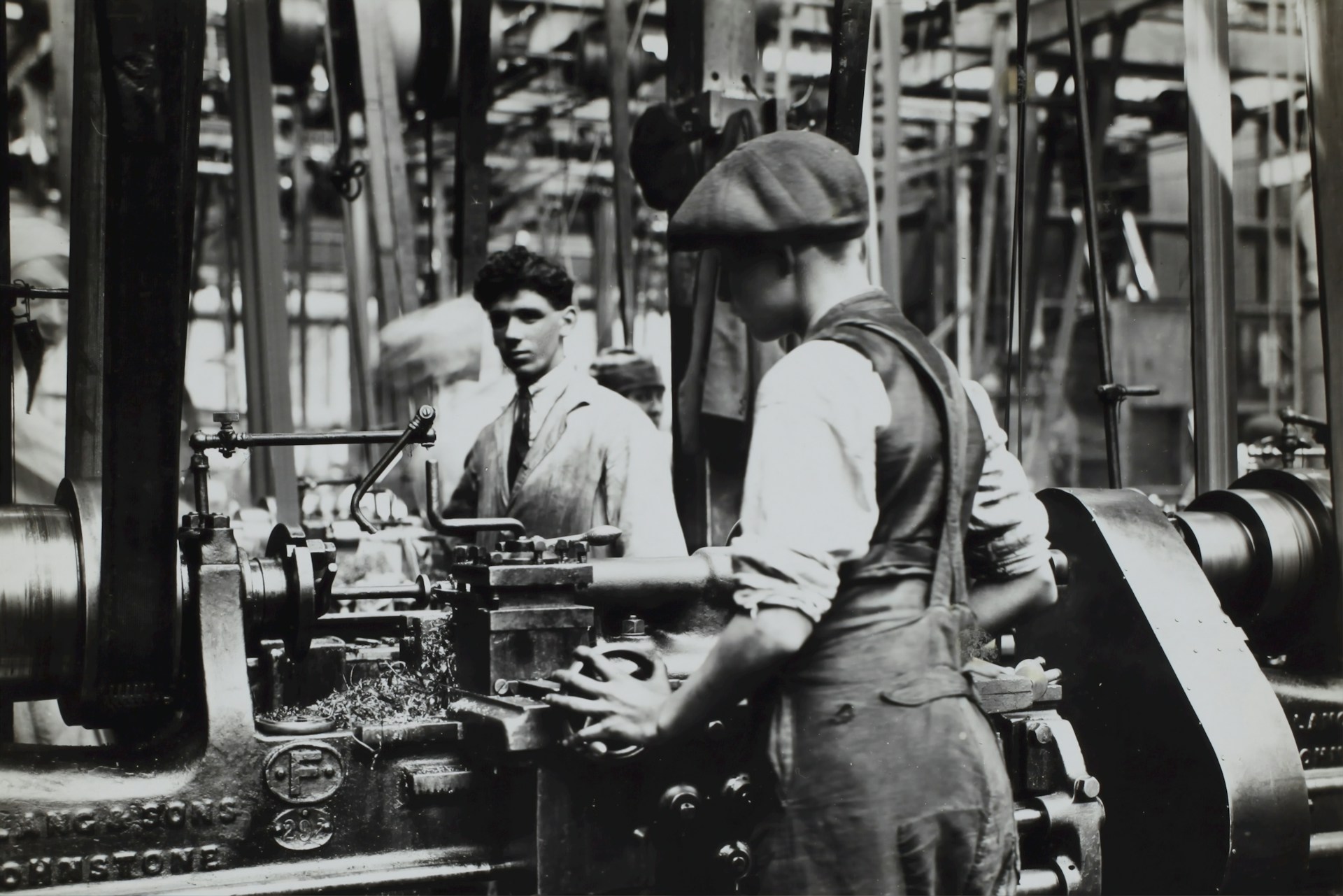
Photo: Unsplash
The Concentration of Knowledge
Another striking parallel is the concentration of knowledge. The largest AI firms employ a significant share of the world’s leading AI researchers, giving them extraordinary influence over what research is funded, what findings are published, and what remains hidden behind corporate walls.
Imagine if most climate scientists were funded by fossil fuel companies. We would rightly question whether we were getting the full picture of the climate crisis. Likewise, when AI research is concentrated within a handful of corporations, it becomes much harder for the public to understand how these systems truly work, where they fail, and who bears the consequences of those failures.
The Grand Narrative
Like historical empires, today’s technology giants justify this extraction with a grand narrative. Colonial powers once claimed they were bringing civilization, progress, and enlightenment. AI companies tell a remarkably similar story. They argue that their mission is to advance humanity, promising a future where diseases like cancer are cured, climate change is solved, poverty disappears, and human flourishing reaches unprecedented heights. The vision they paint is nothing short of a technological utopia.
At the same time, they frame the alternative in stark terms. If they are not allowed to build these systems, they argue, less responsible actors will. The result, they warn, would be catastrophe. Humanity must therefore trust them with unprecedented power because they alone can prevent disaster.
“Colonial powers once claimed they were bringing civilization, progress, and enlightenment. AI companies tell a remarkably similar story.” — Heaven if you trust them, catastrophe if you don’t. Empires have always sold exactly this menu.
The Pope Has Seen This Religion Before
This rhetoric echoes the moral and religious justifications that accompanied the expansion of earlier empires. Faith was often used to legitimize conquest and extraction by portraying imperial expansion as a higher calling.
That is why it is so fascinating that Pope Leo XIV, representing one of the world’s oldest religious traditions, has begun addressing the ethical challenges posed by artificial intelligence. In many ways, his message can be seen as an attempt to confront the emerging belief system surrounding AI — one that increasingly presents technological progress not simply as innovation, but as a promise of salvation itself.
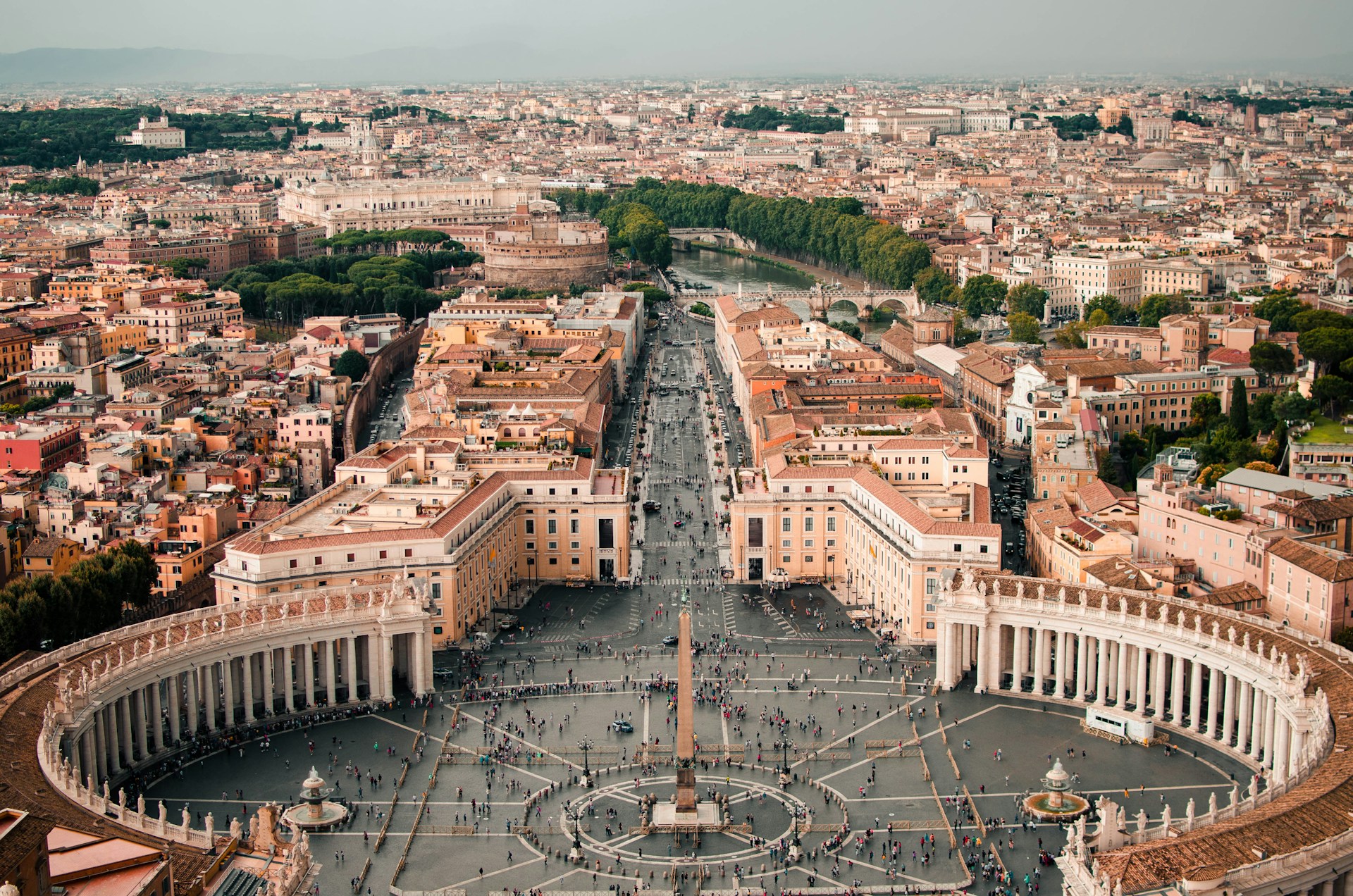
One institution has spent two thousand years thinking about promises of salvation. It recognises a new one when it sees it. Photo: Unsplash
The Ledger, Again
The choice of papal name was itself a message: Leo XIII wrote Rerum Novarum in 1891 to confront the industrial revolution’s treatment of workers, and the Vatican has framed Leo XIV’s attention to AI as the same tradition meeting a new machine age. Outside the Church, independent research groups such as the AI Now Institute document the field’s concentration of power — who funds the research, who owns the infrastructure, who bears the failures. Different vocabularies, same audit.
Back to the Chair
My client thought about it while the color set. Eventually she said, “So when a company says ‘trust us with everything, and we’ll save the world’…”
“Then the interesting question is never the promise,” I said. “It’s the ledger underneath it. Who supplies the raw material. Who does the labor. Where the profit lands. The promise is the oldest part of the machine.”
I touched a related thread in a previous piece on what Britain’s emancipation ledger revealed about its empire — the discovery that empires keep two sets of books: the speeches and the accounts. The speeches said civilization. The accounts said extraction. Nothing about the new empires is settled yet — the technology is real, some of the promises may even be kept, and I say that as someone genuinely astonished by what these systems can do. But when the speeches soar this high, history suggests exactly one response: applaud if you like, and then ask to see the accounts.
Empires, it turns out, update their fleets and keep their paperwork habits. The spices are data now. The plantations are server farms. The civilizing mission has a product launch. And somewhere in Rome, a man whose institution has outlived every empire that ever made these promises has quietly cleared his throat.
The Salon California Journal is a space for ideas, culture, and conversation from my chair in Brasschaat, Belgium. I write about beauty, technology, society, and the intersections between them.