
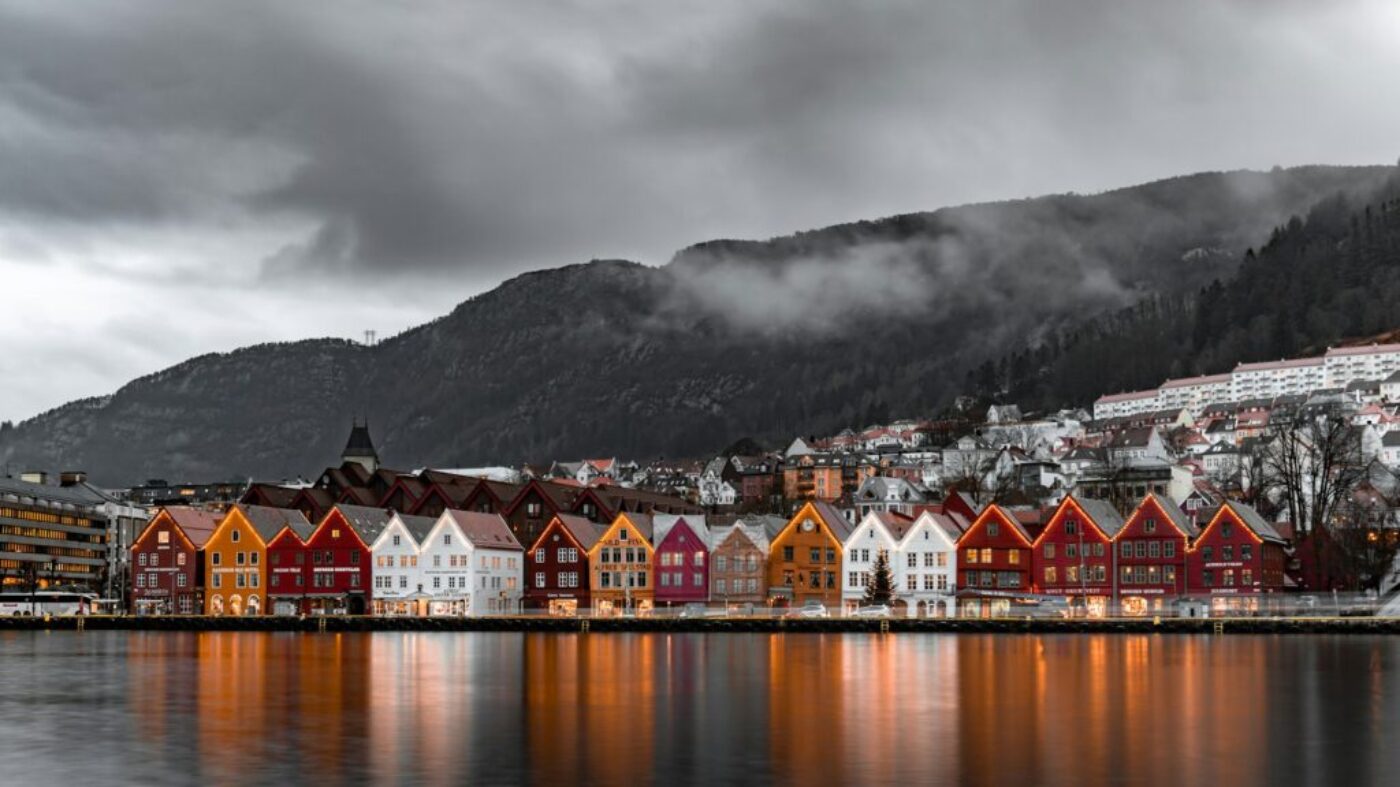
No to Greed
How Norway Turned One Oil Find into a Lesson the World Never Bothered to Learn
The oil companies complained. Some threatened to leave. Norway wished them a safe trip. What happened next produced the largest sovereign wealth fund on earth — and a story almost nobody has heard.
A client who runs his own small business settled into the chair last Tuesday and, within three minutes, had arrived at the topic that small business owners in Belgium reliably arrive at sooner or later: the government, and what it does with everyone’s money.
“They always spend it wrong,” he said. It was not a question.
“Not always,” I said.
He looked at me in the mirror with the expression of a man who has filed a tax return at least once.
“Name one,” he said.
I thought for a moment. “Norway,” I said. “1969. Christmas Eve.”
He waited.
“They found oil,” I said, “and they decided not to spend it.”
He set down his phone. That was when I knew the haircut was going to take longer than usual.
[Switches to serious face.] Most stories about a country finding oil end the same way. The resource is discovered, foreign money arrives, politicians hold press conferences, and within a decade or two, the story has become either a cautionary tale or a geopolitical hostage situation dressed in a business suit. Norway is the story that went differently. And it went differently not because of luck or geography, but because a small group of people made a very deliberate, very unpopular, very correct series of decisions — and then stuck with them.
1969 Christmas Eve — the year oil was discovered beneath the North Sea
1972 Statoil established — Norway’s state-owned energy company
$1.6T current value of the Government Pension Fund Global
#1 largest sovereign wealth fund in the world
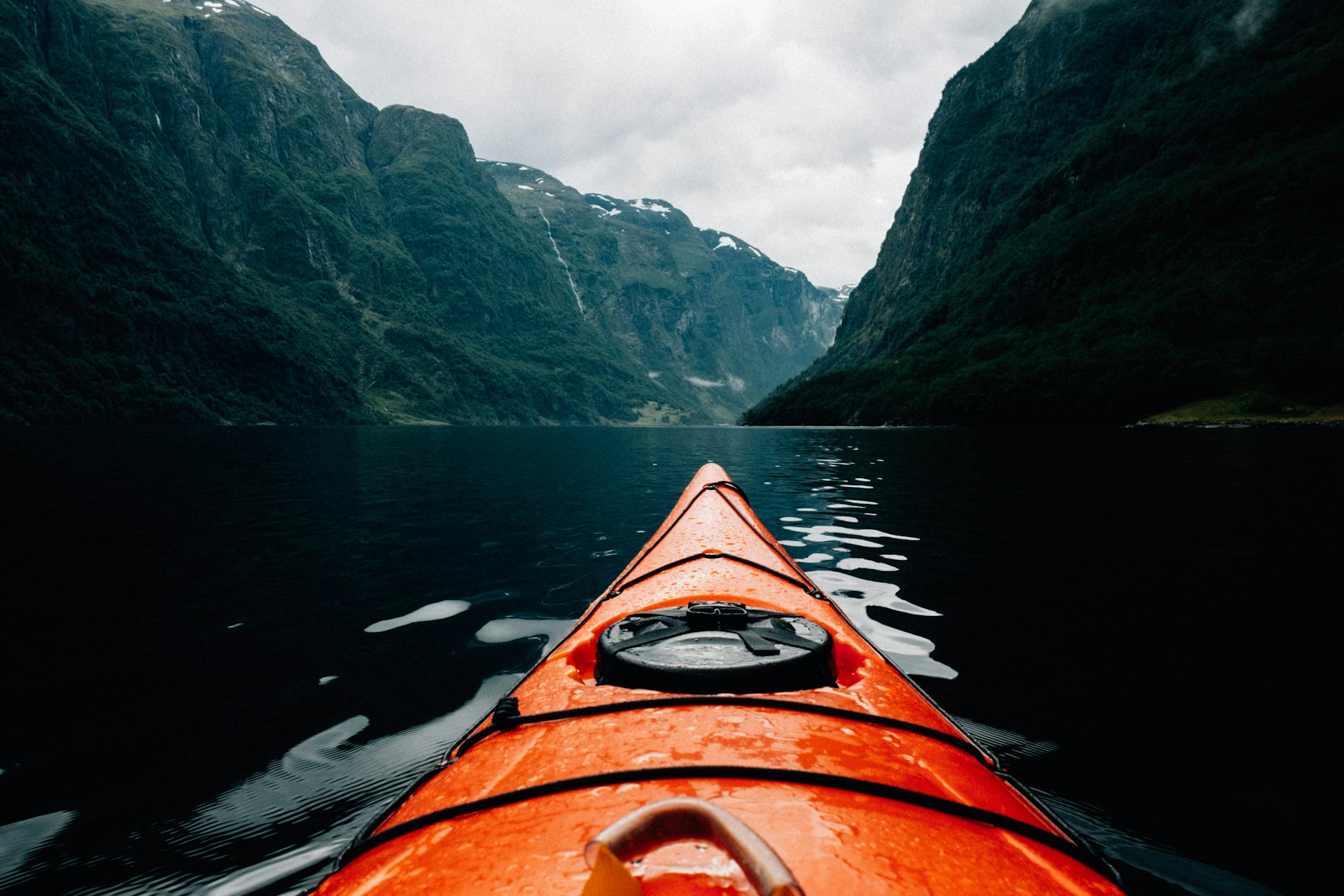
A Small Country With Nothing Obvious Going for It
On June 7, 1905, Norway declared independence from Sweden. It was a nation of just over two million people whose economy rested on fishing, timber, and shipping. There were no vast mineral deposits, no industrial giants, and no obvious route to extraordinary wealth. For decades it remained largely what it had always been — a country that exported fish, built ships, and carried on without attracting much attention from the rest of the world.
Then, on Christmas Eve in 1969, everything changed. Beneath the North Sea lay enormous oil reserves. Almost immediately, foreign companies arrived carrying contracts, promises, and forecasts of prosperity. They had seen this story many times before. A country discovers valuable resources, foreign interests move in, profits flow outward, and the local population receives a generous supply of speeches about development and a somewhat less generous supply of development itself.
Norway paid attention.
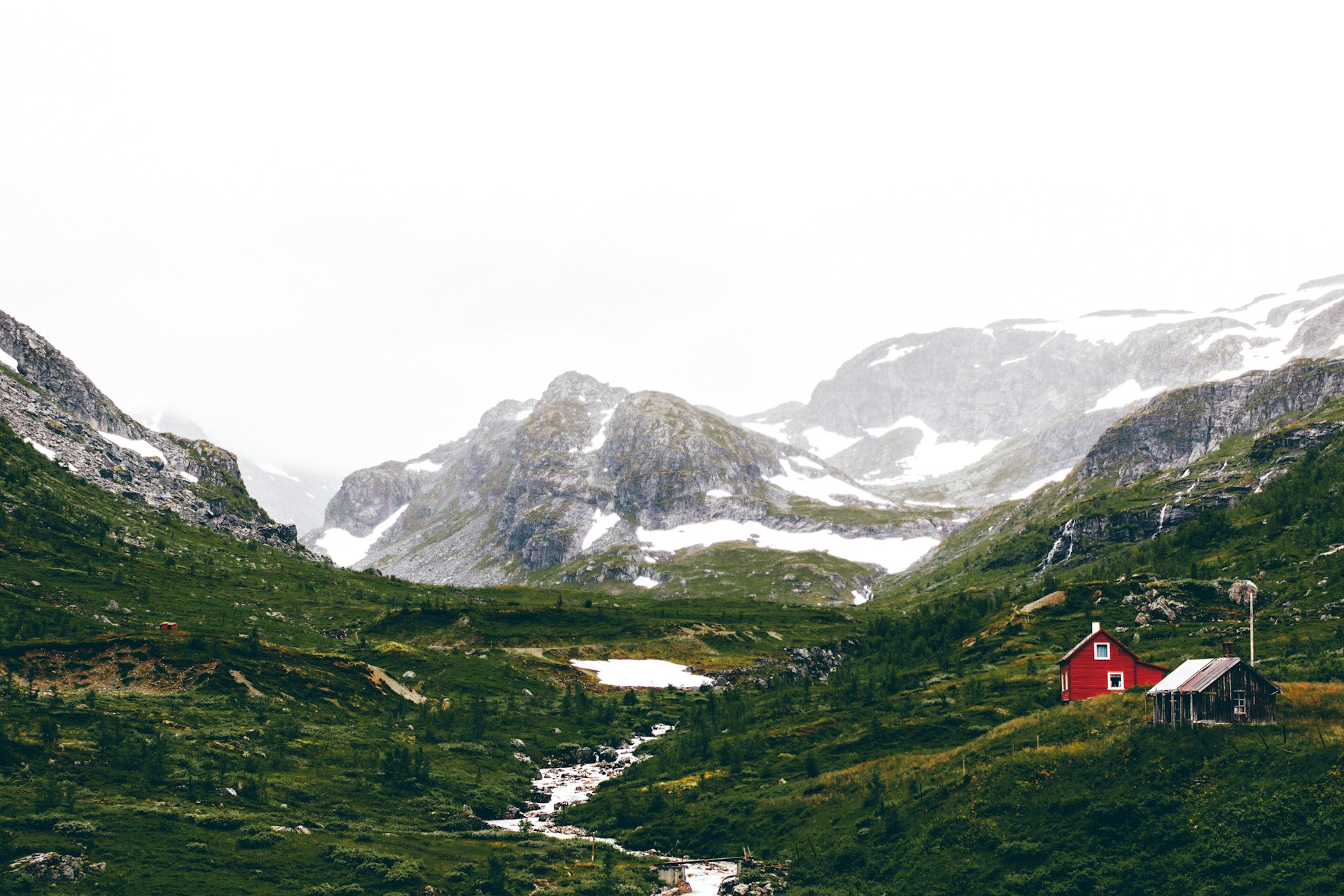
Photos: Unsplash
They Had Seen the Script Before
Arve Johnsen, Norway’s Minister of Industry, along with a generation of policymakers, studied what had happened elsewhere. They examined nations blessed with oil and cursed by its consequences. They found corruption, political patronage, economic dependence, and governments that had forgotten how to produce anything except the one resource that made them temporarily rich. They found what economists would later name the “resource curse” — the pattern by which the discovery of natural wealth, rather than improving a country’s position, tends to hollow it out from the inside, replacing diversified industry with dependency, and long-term planning with short-term extraction.
Norway decided it would not audition for the same role.
In 1972, the government created Statoil, a state-owned energy company. The rules were simple. Norway would control its resources. Foreign companies could participate, but they would share technology, train Norwegian workers, and operate under Norwegian oversight.
The oil companies complained. Some threatened to leave.
Norway wished them a safe trip.
“Oil in the ground has value. Control over it has far greater value.” — The principle that separated Norway from every other nation that found oil and immediately sold the decision to someone else.
The Second Decision
Then came a second decision, arguably the most important of all.
Norwegian politicians concluded that the oil wealth did not belong exclusively to the government of the day. It belonged to future generations as well — to people who had not yet been born, who had done nothing to earn it, and who would therefore receive it as inheritance rather than reward.
In 1990, Norway established the Government Pension Fund Global. Oil revenues flowed into the fund rather than directly into political budgets. Strict rules governed its use. The principal remained untouched. Only a limited percentage of the annual returns could enter the national budget each year. The fund is managed by Norges Bank Investment Management with full transparency — every holding, every decision, and every percentage point of performance published for anyone who cares to look.
The arrangement lacked excitement. There were no grand announcements, no monuments, and no election campaigns built around the singular achievement of fiscal restraint. Politicians usually enjoy spending money they did not earn. Norway chose to save it.
By 1996, the fund held roughly nineteen billion dollars. Today, it exceeds one point six trillion — invested in over nine thousand companies across seventy countries — and remains the largest sovereign wealth fund in the world.
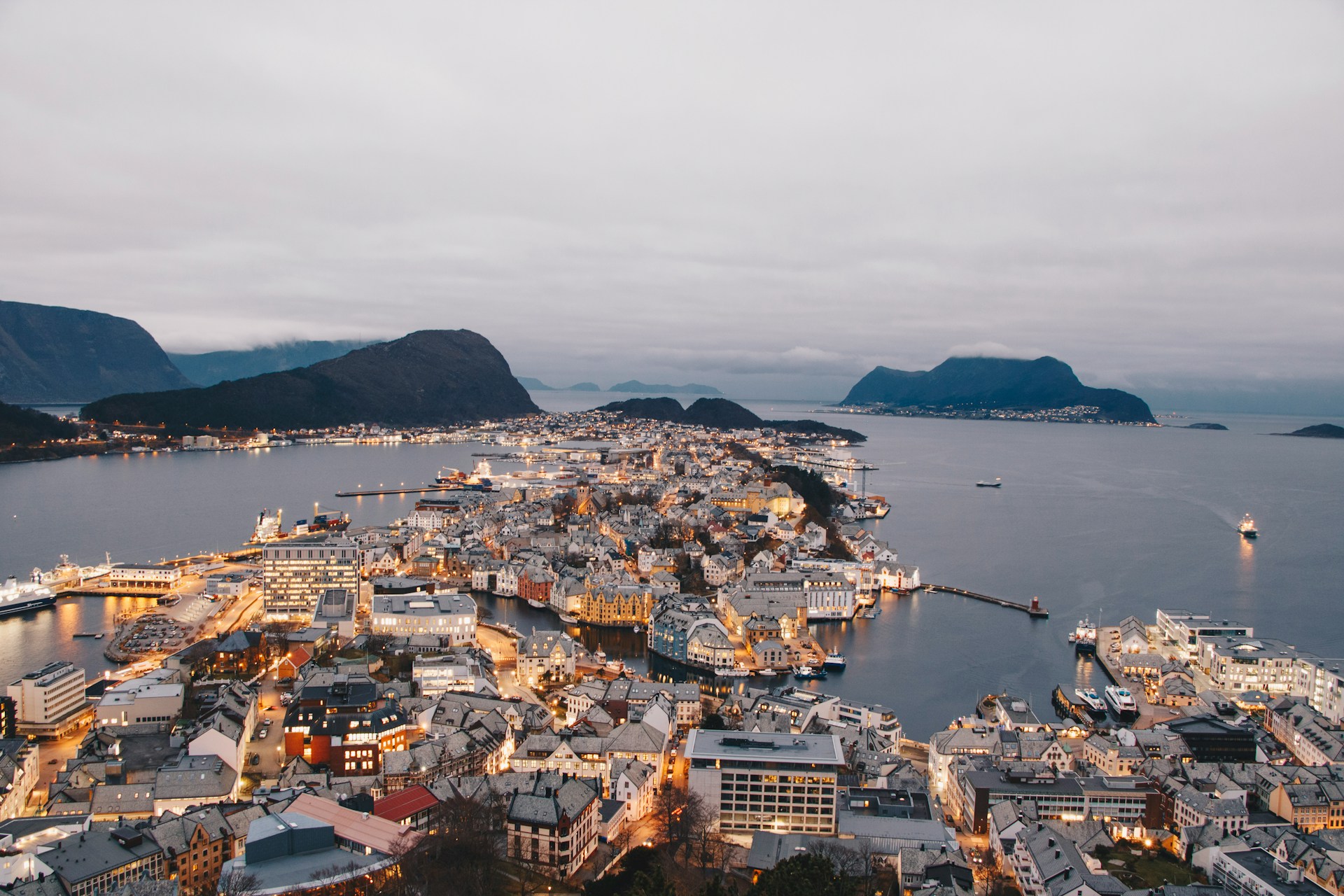
The North Sea discovery that changed everything — and the decision that separated Norway from every country that made a different one.
The Man Nobody Built a Statue For
Arve Johnsen died in 2005. Few people outside Norway recognise his name. He did not conquer territory, build an empire, or commission monuments in his own honour. He achieved something far less glamorous and far more rare: he helped prevent his country from becoming another cautionary tale.
At a moment when easy money tempted everyone, Norway chose patience over greed, ownership over dependence, and tomorrow over today. One decision — or rather, a chain of connected decisions made by people who thought beyond the next election — changed the trajectory of a nation.
Sometimes the greatest achievement in politics is not what a leader builds, but what he refuses to sell.
The pattern is well documented. Countries that discover large natural resources — oil, minerals, gas — frequently end up poorer, less stable, and more unequal than they would have been without the discovery. Transparency International consistently links resource wealth to elevated corruption risk when governance and oversight structures are weak — precisely because the money arrives faster than the institutions built to manage it. The World Bank refers to this as “the paradox of plenty.” Norway is the country that read the research before the research was written, and acted accordingly.
The Uncomfortable Contrast
I often tell this story because it highlights something difficult to look at directly.
Many of the wealthy and supposedly sophisticated nations that praise good governance today accumulated much of their prosperity by extracting resources from weaker countries. They took the oil, the minerals, the timber, and the labour, while leaving behind fragile institutions, distorted economies, and, in many cases, decades of instability that lasted long after the ships had sailed.
Norway faced the same temptation from the opposite side of the table. Foreign companies arrived, as they always do, with contracts designed to ensure that the profits flowed in one direction and the risk in another. Instead of allowing others to dictate the terms, Norway kept control of its resources, protected its long-term interests, and invested for generations it would never meet.
The irony is difficult to miss. A small nation with no imperial history and no particular leverage showed greater restraint than many of the great powers that spent centuries lecturing others about discipline, governance, and the proper management of public affairs — while quietly helping themselves to whatever could be carried away. The outsider eye tends to notice these inversions, perhaps because it is not required to pretend they do not exist.
I followed a similar thread in this journal on the language we use to describe people and the assumptions that language protects — how the framing of a story often reveals the most about who is telling it, and why. The story of oil in the developing world is usually told by the companies and governments who extracted it. The Norway story is one of the few where the country in possession of the resource got to write its own ending.
Back to the Chair
My client left with a haircut and a slightly revised relationship with the phrase “governments always spend it wrong.” He was not fully converted — Belgian tax returns have a way of making optimism difficult to sustain — but he left with a name he had not known when he walked in, and a story that does not fit the version of history most people carry around without examining.
Norway did not become wealthy because it found oil. Many countries have found oil. Venezuela found oil. Nigeria found oil. Angola found oil. The list is long, and the stories are not, in most cases, stories of sovereign wealth funds and generational patience.
Norway became wealthy because it understood that the resource was never the real asset.
The real asset was the discipline to control it.
That discipline is not a Norwegian trait encoded somewhere in the national DNA. It was a choice — made in a specific room, by specific people, under considerable pressure from those who stood to profit from a different choice. It can be made again, anywhere, by anyone with the clarity to see past the money that is available today to the country that becomes possible tomorrow.
The chair, as I have said before, is a good place to think about these things. Nobody is in a hurry. The mirror shows exactly what is there. And occasionally, in the space between the consultation and the finish, someone walks out with something more than a haircut.
The Salon California Journal is a space for ideas, culture, and conversation from my chair in Brasschaat, Belgium. I write about beauty, technology, society, and the intersections between them.