

Is Technology Neutral?
A Conversation That Started in the Salon Chair
A client who works in software said technology is just a tool. I said a hammer was designed to hit things, though. Neither of us left entirely satisfied. That felt about right.
There is a particular kind of conversation that happens in the chair — the kind that starts as small talk and quietly refuses to stay that way. A client settled in last month, someone who works in software development, one of those people whose ease with technology comes from being inside it rather than observing it from a polite distance. We were somewhere between the consultation and the first rinse when the topic arrived, as it often does, through a side door.
“People worry too much about AI,” he said. “Technology is neutral. It’s just a tool. A hammer doesn’t decide who to hit.”
I adjusted my angle in the mirror. “A hammer was designed to hit things, though.”
A pause. The kind that means something landed somewhere it did not expect to land.
“That’s… actually different,” he said. Not quite a concession — more like a man who had just noticed a step he had been walking over his entire life without registering it was there.
We talked for the rest of the appointment. By the end I had a clearer sense of what I thought, and he had a slightly less settled relationship with the word neutral. I have been thinking about the conversation since.
[Switches to serious face.] People often say technology is neutral. That sounds comforting, right up until you remember that technology does not fall from the sky like rain. Human beings design it. Human beings fund it. Human beings decide what it should do before anyone else gets their hands on it.
2.5QTbytes
of data generated globally every single day
79%of Americans say they have little control over data collected about them
$600B+
annual digital advertising market, funded by behavioural tracking
87%of the most popular apps contain third-party tracking code
Is Technology Neutral? Start With the Gun.
Nobody looks at a gun and thinks: “Finally, something to help me bake a pie.” A gun was designed to project force. Society can spend centuries arguing about when that force is justified, regulated, or romanticised — but the purpose is not exactly hidden in the marketing material.
The same applies to technology more broadly. If you build an AI system whose business model depends on extracting value from people without their informed consent — tracking their behaviour, recording every digital twitch, packaging their insecurities for advertisers — calling that system neutral feels a bit like calling a casino a retirement plan.
Surveillance technology is not neutral. It was designed to watch. And watching is not an end in itself. Nobody spends billions collecting information for the sheer joy of alphabetising it. Information creates power. Power creates influence. Influence creates control.
And since we have not yet invented a society populated entirely by houseplants, what gets controlled is usually other human beings.
“Since we have not yet invented a society populated entirely by houseplants, what gets controlled is usually other human beings.” — The argument that tends to make the room go quiet.
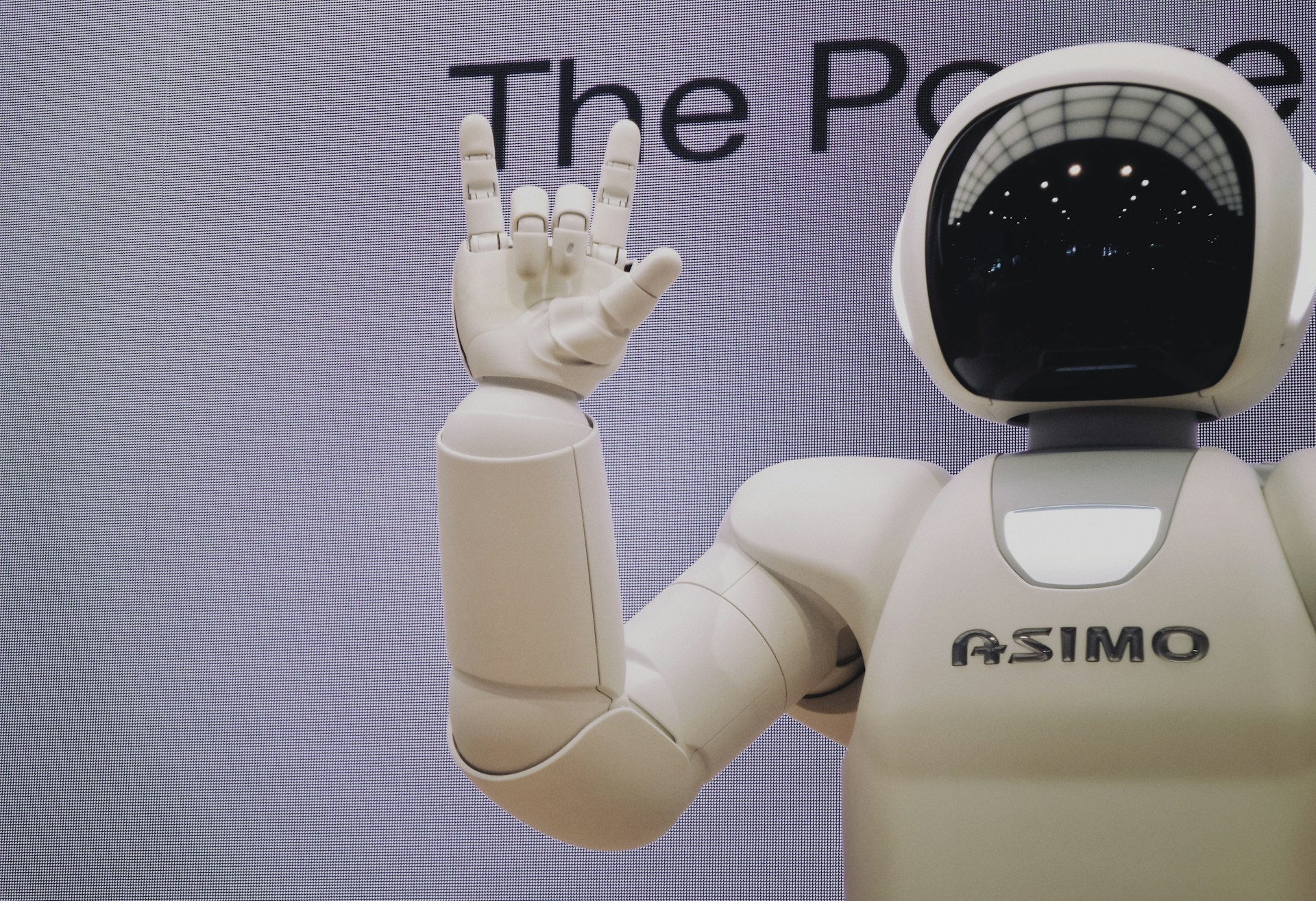
The Knife Wakes Up With No Opinion on Ethics
Of course, there is another side to the argument. My client in the chair was not wrong to raise it.
A knife is a knife. It can butter toast, carve a sculpture, sit above a fireplace for decorative purposes, or participate in a family dispute that rapidly becomes a police matter. The knife itself has no moral philosophy. It wakes up every morning with no opinion whatsoever on ethics. It does not lie awake at night second-guessing its decisions.
From this perspective, asking whether technology is neutral is really asking whether a hammer is neutral — and yes, the hammer is indifferent to what you hit with it. Electricity can power a hospital or an electric chair. The internet can host a university lecture or a conspiracy theory involving lizard people and the moon. Technology is merely a tool. The responsibility belongs entirely to the people who design it and the people who use it.
This argument is not wrong. It is just incomplete. Which brings us to the third view, which is where things become genuinely interesting.
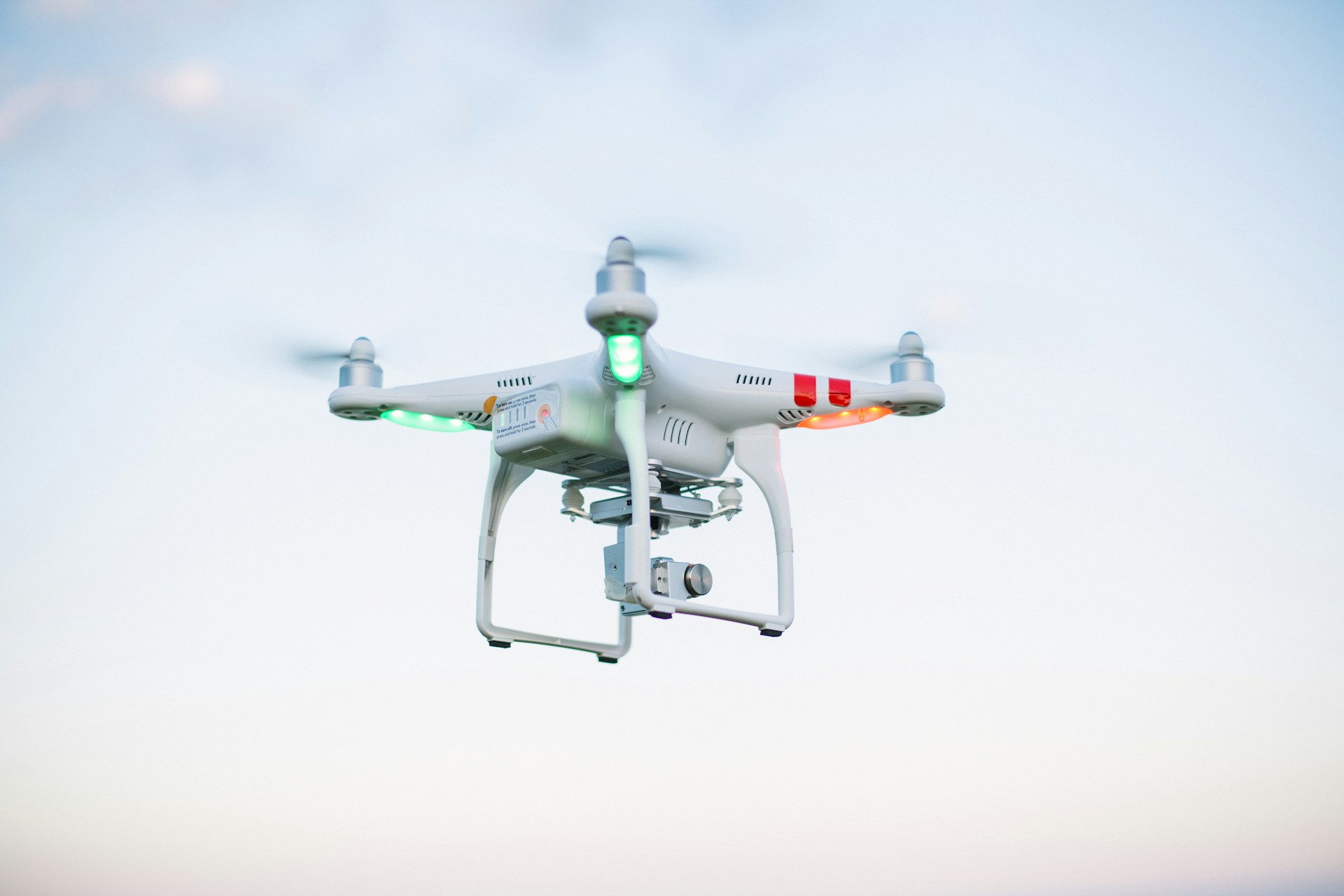
Photos: Unsplash
Neither Neutral Nor Fully Under Control
Technology is neither neutral nor fully under human control. This is the position that makes everyone in the conversation slightly uncomfortable, which is usually a reliable sign that it is the correct one.
Its creators imagine one outcome. Its users invent another. Then society takes the whole thing somewhere nobody expected, and by the time anyone notices, the journey is already well underway.
Social media was supposed to help people stay connected. A reasonable goal. A few years later, everyone was connected, angry, distracted, and arguing with strangers about things they would never have discussed face to face. People were comparing their lives to carefully filtered photographs and receiving advertisements for products they had mentioned near their phones three minutes earlier. No single engineer designed that outcome. No user intended it. Yet there it was.
The Center for Humane Technology has documented in considerable detail how platforms engineered for engagement end up optimised for outrage — because outrage keeps people scrolling longer than contentment, and longer sessions mean more data, and more data means more revenue. Nobody planned the outrage. They planned the engagement. The outrage was the furniture nobody ordered.
Technology often behaves like a guest who arrives for dinner and quietly rearranges the furniture while everyone is eating. By the time dessert arrives, nobody can quite remember where things used to be.
The Design Is the Message
Shoshana Zuboff’s work on surveillance capitalism argues that the problem is not misuse of technology — it is the intended use. The AI Now Institute at New York University has documented how AI systems encode the biases and incentives of their creators long before the public encounters them. And the Electronic Frontier Foundation has been making the same point since 1990: the design choices made privately, by a small number of people, become the conditions of life for everyone else. The tool shapes the hand that holds it, eventually.
Back to the Chair
My client and I did not resolve the argument. That was never the point. What we did — in the specific, unhurried space that a salon chair creates when it is working well — was arrive at a better version of the question together. He left with a trim and something to think about. I stayed with the scissors and the thought that the conversations worth having rarely begin with anyone knowing where they will end.
I come from somewhere that had a different relationship with surveillance — one less algorithmic and considerably more direct. Which may be why the polite version of the same dynamic strikes me as worth examining rather than accepting as a given. From the outside, the politeness can look like a design choice too.
We have written about the same thread from different directions here — about who benefits when AI enters the classroom and about who owns the knowledge that technology is built on. The pattern is consistent: the technology arrives, the terms are set, and the public is invited to participate in a space it did not design, under conditions it did not negotiate, in service of someone else’s business model.
So perhaps the real question is not whether technology is neutral. The real question is who designed it, who profits from it, and what habits, incentives, and dependencies it quietly builds once it escapes into the wild.
History suggests that by the time we ask that question, the furniture has usually already been moved.
The Salon California Journal is a space for ideas, culture, and conversation from my chair in Brasschaat, Belgium. I write about beauty, technology, society, and the intersections between them.